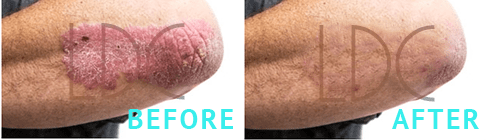
Psoriasis is a long-term skin condition that affects both physical comfort and emotional wellbeing. Many people worry when they first notice persistent red, scaly patches on their skin, often wondering whether it is serious or permanent. While psoriasis cannot be cured, modern dermatology offers effective ways to control symptoms, reduce flare-ups, and improve quality of life. One of the most established options is light therapy, which is commonly used when topical treatments are not enough.
Table of Contents:
- What Is Psoriasis?
- Common Symptoms of Psoriasis
- Why Psoriasis Can Feel Distressing
- Psoriasis Treatment Options: An Overview
- Psoriasis Light Therapy Treatment: How It Works
- Types of Light Treatment for Psoriasis
- What to Expect from Light Therapy for Psoriasis
- Is Light Therapy Safe?
- Can Psoriasis Be Prevented?
- When to See a Dermatologist
- FAQs
- Conclusion
What Is Psoriasis?
Psoriasis is a chronic inflammatory skin condition caused by an overactive immune response. In healthy skin, new skin cells form and shed over about a month. In psoriasis, this process happens much faster sometimes in just a few days. As a result, skin cells build up on the surface, forming thick, red, scaly patches.
Psoriasis is not contagious and cannot be passed from person to person. It can affect people of any age and may appear suddenly or develop gradually over time. For many individuals, it follows a pattern of flare-ups and quieter periods.
Common Symptoms of Psoriasis
Symptoms can vary in severity, but often include:
- Red or inflamed patches of skin
- Silvery-white scales on the surface
- Dryness, cracking, or bleeding
- Itching, burning, or soreness
- Thickened or pitted nails
- Scalp flaking that may resemble dandruff
Some people also experience joint stiffness or pain, which may indicate psoriatic arthritis and requires medical assessment.
Why Psoriasis Can Feel Distressing
Beyond physical discomfort, psoriasis can affect confidence, social comfort, and emotional wellbeing. Visible patches may lead to self-consciousness, especially on areas such as the face, scalp, hands, or legs. Many patients worry that flare-ups mean their condition is worsening permanently in most cases, this is not true. Psoriasis activity often fluctuates and can be controlled with the right treatment plan.
Psoriasis Treatment Options: An Overview
Psoriasis treatment is tailored to the individual and depends on:
- Severity of symptoms
- Size and location of affected areas
- Response to previous treatments
- Lifestyle and overall health
Common treatment approaches include:
- Topical treatments such as medicated creams and ointments
- Light therapy (phototherapy)
- Systemic treatments for more severe or widespread psoriasis
Light therapy is often recommended when topical treatments alone are not providing enough relief.
Psoriasis Light Therapy Treatment: How It Works
Light therapy for psoriasis, also known as phototherapy, involves exposing the skin to controlled amounts of ultraviolet (UV) light under medical supervision. This helps slow down excessive skin cell production and reduce inflammation.
Unlike natural sunlight, clinical light therapy uses specific wavelengths and carefully measured doses to improve symptoms while minimising risks.
Types of Light Treatment for Psoriasis
UVB Light Therapy
UVB therapy is one of the most commonly used treatments for psoriasis. It works by penetrating the outer layers of skin and slowing down rapid cell turnover. Treatment sessions are usually short and carried out several times a week over a set period.
Narrowband UVB Therapy
This is a more targeted form of UVB therapy that uses a narrower wavelength range. It is often preferred because it is effective while reducing unnecessary exposure to other wavelengths.
PUVA Therapy
PUVA combines UVA light with a light-sensitising medication taken before treatment. This approach may be used when other forms of light therapy have not been effective, but it requires careful monitoring.
Targeted Light Therapy
For small or localised patches, targeted devices deliver light only to affected areas, helping protect healthy surrounding skin.
What to Expect from Light Therapy for Psoriasis
Many patients notice gradual improvement after several sessions. Benefits may include:
- Reduced redness and scaling
- Less itching and irritation
- Longer periods between flare-ups
- Improved skin texture and comfort
Results vary from person to person. Some patients experience significant relief, while others may need ongoing or combination treatments to maintain results.
Is Light Therapy Safe?
When prescribed and monitored by a dermatologist, light therapy is generally safe. However, it must be carefully controlled. Potential side effects can include temporary redness, dryness, or mild sunburn-like reactions. Long-term treatment plans are designed to minimise cumulative UV exposure.
Using tanning beds or unsupervised UV sources is not recommended, as they do not provide controlled wavelengths and can increase the risk of skin damage.
Can Psoriasis Be Prevented?
Psoriasis itself cannot be prevented, but flare-ups can often be reduced by identifying and managing triggers. Common triggers include:
- Stress
- Skin injuries
- Infections
- Certain medications
- Cold or dry weather
Maintaining a consistent skincare routine, managing stress, and seeking early dermatological advice can help keep symptoms under control.
When to See a Dermatologist
You should consider professional assessment if:
- Symptoms are worsening or spreading
- Over-the-counter treatments are not helping
- Psoriasis is affecting your daily life or confidence
- You experience joint pain or stiffness
Early guidance can help prevent unnecessary discomfort and improve long-term management.
Conclusion
Psoriasis is a chronic but manageable skin condition. Understanding what psoriasis is and how it affects the skin can help reduce anxiety and uncertainty. Treatments such as psoriasis light therapy treatment play an important role in controlling symptoms, particularly for moderate to persistent cases. With the right dermatological care, many people achieve clearer skin and greater confidence in daily life.
Harley Street Dermatology Clinic specialises in the treatment of psoriasis. Call us today and find out we can help you with this distressing condition.
FAQs
Is psoriasis a serious condition?
Psoriasis is not life-threatening, but it can significantly affect quality of life if left untreated. Most cases can be well managed with appropriate care.
How long does light therapy for psoriasis take to work?
Some patients see improvement within a few weeks, but a full course of treatment may take several weeks for optimal results.
Is light treatment for psoriasis painful?
Light therapy is usually painless. Some people may experience mild warmth or temporary redness after sessions.
Can psoriasis come back after treatment?
Yes, psoriasis can return, as it is a chronic condition. Ongoing management helps reduce flare-ups and maintain clearer skin.
Is light therapy suitable for everyone?
Not always. Suitability depends on skin type, medical history, and the severity of psoriasis. A dermatologist can advise on the safest and most effective option.