
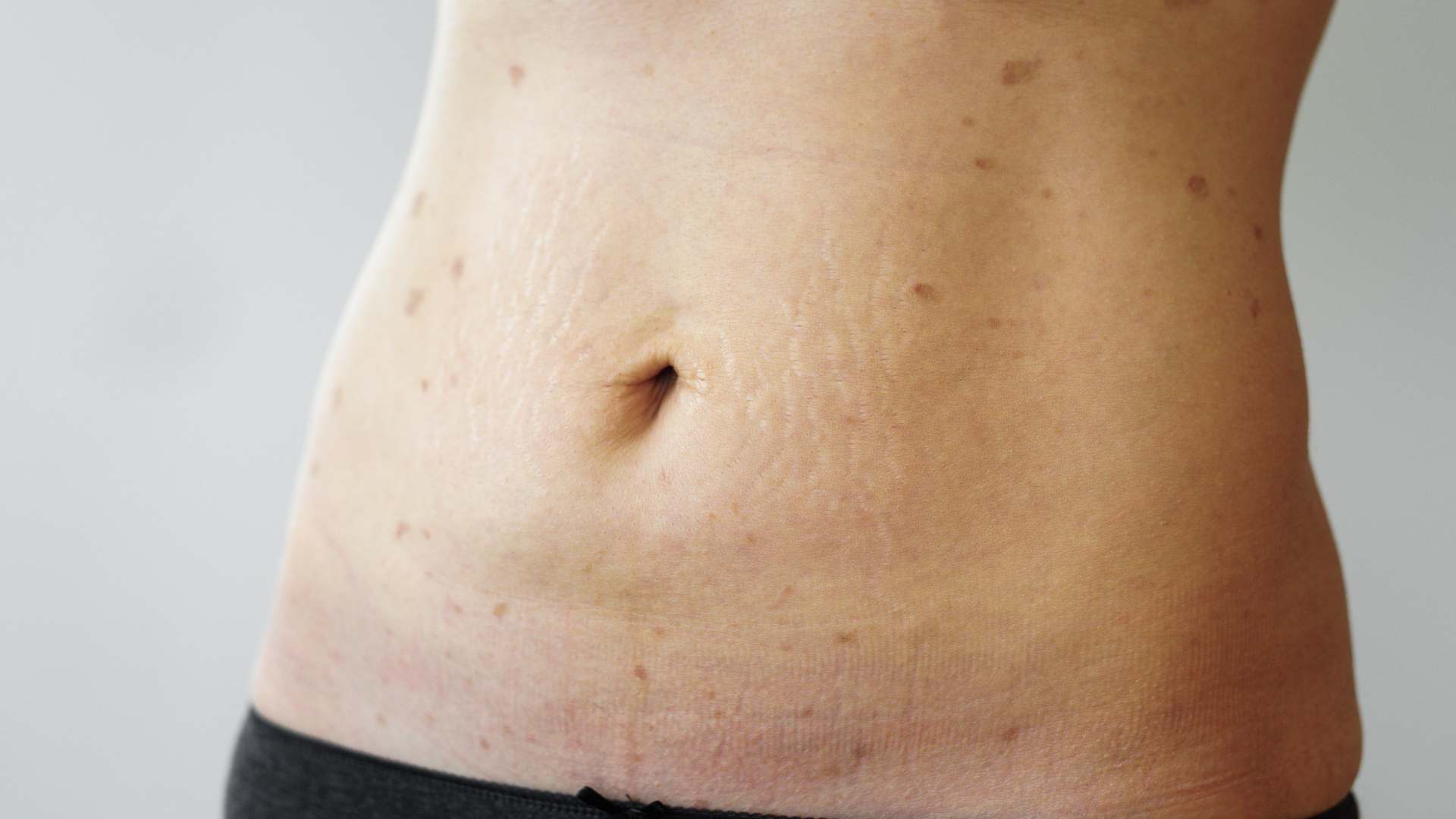
Lichen planus is a chronic inflammatory skin condition that can affect the skin, scalp, nails, and intimate areas. It often presents as purple, itchy, flat topped bumps and may cause discomfort, pigmentation changes, or scarring if left untreated. Seeking professional lichen planus treatment early can help control symptoms and prevent long term complications.
At our London clinic, we provide evidence based diagnosis and personalised care plans tailored to the severity and location of your condition.
What Is Lichen Planus?
Lichen planus is believed to be an autoimmune condition where the immune system attacks healthy skin or mucosal tissue. It can affect:
- Skin
- Scalp
- Nails
- Mouth
- Genital area
Genital lichen planus can be particularly distressing, often causing persistent irritation and soreness. Patients experiencing itching genitals Harley Street frequently attend specialist dermatology clinics for accurate diagnosis and discreet treatment.
Symptoms of Lichen Planus
Symptoms vary depending on the affected area but commonly include:
- Itchy purple or reddish bumps
- Flat shiny lesions
- White streaks inside the mouth
- Painful genital irritation
- Dark marks after healing
Persistent scratching can lead to post inflammatory pigmentation, which may require dedicated lichen planus hyperpigmentation treatment.
Advanced Lichen Planus Treatment Options
We offer comprehensive treatment options depending on severity:
1. Topical Treatments
Prescription steroid creams and immune modulating creams reduce inflammation and itching.
2. Oral Medications
For severe or widespread cases, oral corticosteroids or immunosuppressive medications may be recommended.
3. Light Therapy
Phototherapy can help control stubborn or recurring flare ups.
4. Lichen Planus Hyperpigmentation Treatment
After inflammation settles, dark patches may remain. Treatments may include:
- Medical grade skin lightening formulations
- Chemical peels
- Laser based pigmentation correction
Targeted lichen planus hyperpigmentation treatment helps restore more even skin tone safely.
5. Minor Surgical Procedures
In rare cases where lesions are thickened or resistant to medication, small procedures may be required. Patients searching for minor skin surgery Ealing can access specialist dermatological surgical care for biopsy or lesion removal when clinically indicated.
Specialist Care in Central and West London
Patients seeking expert dermatology care in Harley Street or Ealing benefit from consultant led assessment and modern treatment protocols. Sensitive conditions such as genital lichen planus require confidential and specialist management to prevent scarring and chronic discomfort.
If you are experiencing persistent irritation, visible skin changes, or ongoing itching genitals Harley Street, early consultation is essential for accurate diagnosis.
