
Summary
A verruca is a common viral skin growth caused by HPV, usually found on the feet. While many verrucas go away on their own, some require professional verruca treatment or removal for faster and safer results.
Introduction
If you’ve noticed a rough, painful spot on your foot that doesn’t seem to go away, it could be a verruca. These small growths are extremely common, yet often misunderstood.
Many people try home remedies or ignore them, hoping they’ll disappear. While that can happen, verrucas can also spread, become painful, or last for months—even years.
In this guide, you’ll learn exactly what a verruca is, what causes verrucas, how to identify them, and the most effective verruca treatment and removal options available—especially if you’re considering professional care in London.
What Is a Verruca?
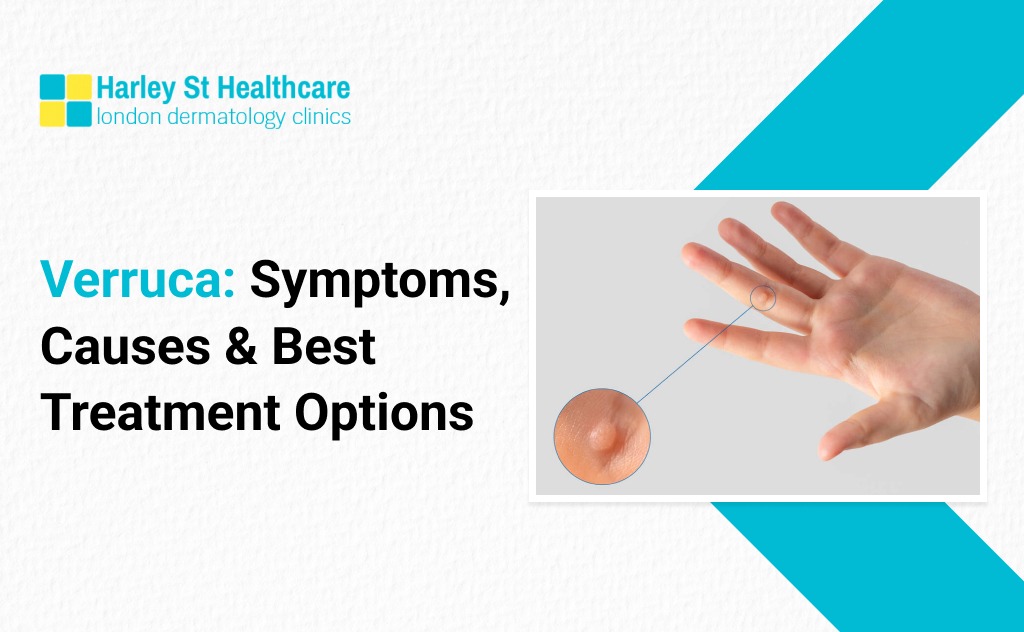
A verruca (also known as a plantar wart) is a small, rough growth that appears on the sole of the foot. It is caused by the human papillomavirus (HPV), which infects the outer layer of skin.
Key Characteristics:
- Rough, grainy texture
- Small black dots (clotted blood vessels)
- Often appears on weight-bearing areas (heel or ball of foot)
- Can be flat due to pressure from walking
Unlike regular warts, verrucas are pushed inward by pressure, which can make them painful
What Causes Verrucas?
Understanding what causes verrucas helps in both treatment and prevention.
Main Causes:
- HPV infection entering through tiny cuts or breaks in the skin
- Walking barefoot in public places like:
- Swimming pools
- Gym showers
- Changing rooms
- Direct skin contact with an infected surface
Risk Factors:
- Weakened immune system
- Sweaty feet
- Damaged or dry skin
- Sharing towels or footwear
Are Verrucas Contagious?
Yes, verrucas are contagious.
They spread through direct contact with infected skin or surfaces. However, not everyone exposed to the virus will develop a verruca—your immune system plays a key role.
How They Spread:
- Walking barefoot in public areas
- Sharing socks, shoes, or towels
- Touching or picking the verruca
Verruca Symptoms: How to Identify One
Common Symptoms:
- Small, rough growth on the foot
- Pain when walking or standing
- Black dots inside the lesion
- Thickened skin around the area
Verruca vs Corn:
- Verruca → has black dots, caused by virus
- Corn → no black dots, caused by pressure/friction
Do Verrucas Go Away on Their Own?
Yes, verrucas can go away without treatment.
However, this can take:
- A few months
- Or up to 1–2 years
When They Don’t Go Away:
- Weak immune response
- Repeated pressure on feet
- Spreading to other areas
If a verruca becomes painful, spreads, or persists, professional verruca treatment is recommended.
Best Verruca Treatment Options
There are multiple ways to treat verrucas, depending on severity and location.
1. Over-the-Counter Treatments
- Salicylic acid (gels, pads, liquids)
- Gradually softens and removes the verruca
Best for: Small, early-stage verrucas
Limitation: Requires consistent use for weeks
2. Cryotherapy (Freezing Treatment)
- Liquid nitrogen freezes the verruca
- Destroys infected tissue
Best for: Persistent verrucas
Sessions needed: Often multiple
3. Advanced Verruca Removal (Clinical)
Professional clinics offer more precise and effective verruca removal methods:
- Targeted removal techniques
- Sterile and controlled procedures
- Minimal damage to surrounding skin
Benefits:
- Faster results
- Reduced risk of spreading
- Better cosmetic outcome
Can You Remove a Verruca at Home?
You can try treating verrucas at home, but results vary.
Common Home Methods:
- Salicylic acid treatments
- Duct tape method
- Warm foot soaks
Risks of DIY Treatment:
- Skin irritation
- Incomplete removal
- Spreading infection
For stubborn or painful verrucas, professional verruca removal is the safer option.
When Should You See a Specialist?
You should seek expert help if:
- The verruca is painful
- It spreads or multiplies
- It hasn’t improved after weeks of treatment
- You have diabetes or poor circulation
Early treatment can prevent complications and speed up healing.
Prevention Tips: How to Avoid Verrucas
Simple Prevention Steps:
- Wear flip-flops in public showers/pools
- Keep feet clean and dry
- Avoid sharing footwear or towels
- Cover existing verrucas
- Moisturise to prevent skin cracks
Professional Verruca Treatment in London
For stubborn or painful verrucas, professional care ensures safe and effective results.
At London Dermatology Clinic, verruca treatment is performed using clinically approved techniques designed for precision and safety.
- Sterile verruca removal procedures
- Advanced dermatological tools
- Tailored treatments based on skin type and severity
Patients also receive personalised aftercare and prevention guidance to reduce recurrence and maintain long-term skin health.
Book a consultation today to explore safe and effective verruca removal options in London.
Conclusion
Verrucas are a common but often frustrating skin condition caused by a viral infection. While they may go away on their own, many cases require proper treatment to avoid pain, spreading, or long-term persistence.
Understanding what a verruca is, what causes verrucas, and choosing the right verruca treatment can make a significant difference in recovery.
If you’re dealing with a stubborn or painful verruca, seeking professional verruca removal ensures faster, safer, and more reliable results.
FAQs
A verruca is a wart that appears on the sole of the foot, caused by the human papillomavirus (HPV).
Yes, verrucas can spread through direct contact or contaminated surfaces like swimming pools and showers.
Yes, but it may take months or even years depending on your immune system.
The best treatment depends on severity. Options include salicylic acid, cryotherapy, and professional verruca removal.
You can try, but home treatments are slow and less reliable. Professional removal is safer for stubborn cases.
