
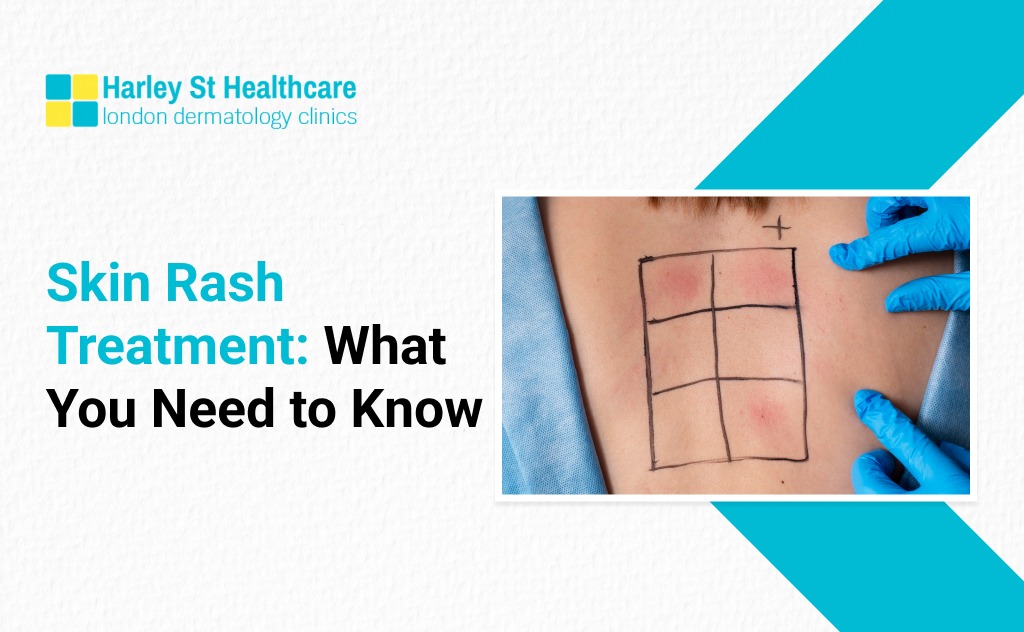
Skin rashes are extremely widespread and might occur at any age. They are either sudden or gradual and although most of the rashes appear scary, the majority are not severe. It is natural to be concerned about it – particularly when the rash is itchy, spreading, or on the parts of the skin that can be seen but in most instances the skin rash will clear when the underlying cause is treated in the most suitable way.
This article describes the reasons for skin rashes, their duration, the treatment methods, and when you might need guidance of a medical professional, to feel knowledgeable and confident.
What Are the Causes of Skin Rashes and Itching?
There are numerous causes of skin rashes, and very commonly the itch will be seen when the skin barrier is irritated or inflamed. The most prevalent reasons are:
Allergic reactions
The responses to soaps, detergents, skincare products, cosmetics, fragrances, or metals like nickel may cause redness, itching, and irritation.
Skin inflammatory diseases
Diseases such as eczema, psoriasis or contact dermatitis often result in recurrent or chronic rashes, which may be dry or scaled.
Infections
Rashes can be caused by fungal, viral or bacterial infections and spread, ooze or cause pain without treatment.
Environmental factors
The skin can become irritated by heat, perspiration, clothing friction, and cold weather resulting in rashes, especially in the areas of skin folds.
Stress and immune responses
Existing skin conditions or triggering flare-ups can be caused by emotional stress or alterations in the immune system.
Rashes are often temporal responses as opposed to symptoms of a severe disease. The most important course of action toward good treatment is the identification of the cause.
How Long Does a Skin Rash Last?
The skin rash lasts depending on the cause and the reaction of the skin.
Short-term rashes
A large percentage of mild rashes resolve in a few days to two weeks particularly when irritants are avoided and soft skin care is employed.
Recurring or chronic rashes
Some illnesses like eczema or psoriasis can be recurrent with time and need long term management, as opposed to a single instance treatment.
Delayed healing
The incorrect use of products, scratching, or treating a rash without knowing the cause can delay the recovery or increase the symptoms.
Some rashes may clear very fast but others take time to resolve. This variation is normal and does not necessarily imply something is wrong.
Read more – Causes of itchy skin
How to Cure Skin Rashes (Treatment Options)
No single therapy is effective with all skin rashes. The most suitable treatment varies according to the cause of the disease, skin type and symptoms severity.
General skin care measures
The following are usually the initial and the most significant steps:
- Apply mild and nonspecific cleansers.
- Use moisturiser frequently to sustain the skin barrier.
- Do not scratch, scratching makes the rash itchy.
- Avoid and eliminate possible irritants.
Over-the-counter treatments
In other instances, it may be eased with mild creams or antihistamines. These are to be applied only with caution and in brief intervals unless otherwise.
Prescription treatments
In case the rash is chronic, acute or indistinct, the prescription of creams or specific treatment can be offered in case of evaluation.
It should be mentioned that sometimes even the incorrect treatment of a rash that the causes are not known can aggravate the situation, especially the incorrect use of steroid or antifungal creams. In case of no improvement of rash, the professional evaluation will be important to guarantee safe and good care.
Should I Be Worried About This Skin Rash?
A lot of individuals will be concerned that a rash is the sign of something serious. In most cases, it doesn’t.
Nevertheless, medical consultations are required in case of a rash:
- Painful, spreading fast or blistering.
- Is accompanied with body temperature or illness.
- Bleeds, crusts up or infections.
- Persists despite basic care
- It takes place in young children or infants.
- Affects the face or genitals
In case a rash is not severe, recovering, and not accompanied by serious inconvenience, reassurance and mild care will suffice. In case of doubts, a dermatologist may assist in clearing up what is going on and recommend the next course of action.
A Calm Next Step
Skin rashes may be painful and disturbing, and they may be easily treated with appropriate instructions. Knowing the reason, having attainable expectations and not treating people unnecessarily is often the difference between a big difference.
When a rash persists, is unclear or is impacting your quality of life, a dermatology appointment can assist in determining the cause as well as alternatives of treating the condition using your skin, symptoms and medical history without coercion and keeping in mind your comfort.
FAQ’s
Can a skin rash go away on its own?
Yes, many mild skin rashes improve on their own within a few days, especially if the trigger is removed and the skin is kept clean and moisturised. Rashes caused by irritation, mild allergies, or heat often settle without medical treatment.
Is itching always a sign of infection?
No. Itching is more commonly linked to inflammation, dryness, or allergic reactions rather than infection. While some infections can cause itching, most itchy rashes are not contagious and are related to skin sensitivity or immune responses.
Can stress cause a skin rash?
Stress does not directly cause most rashes, but it can trigger or worsen conditions like eczema, psoriasis, or hives. Stress can affect the immune system and skin barrier, making flare-ups more likely in susceptible individuals.
Should I stop using skincare products if I have a rash?
If a rash develops suddenly, it is sensible to stop using new or fragranced products temporarily. Switching to gentle, fragrance-free cleansers and moisturisers can help reduce irritation while the skin settles.

