
Learn how to treat plantar warts at home, the safest natural remedies, and dermatologist-approved methods to remove warts effectively and prevent recurrence.
Introduction
Plantar warts are hard, painful growths caused by the human papillomavirus (HPV). They commonly appear on the soles of the feet, especially in weight-bearing areas like the heels and balls of the feet. While plantar warts are harmless, they can become extremely uncomfortable, spread to other areas, or multiply.
This guide explains the most effective plantar wart treatments at home, including scientifically supported home remedies, natural removal options, and when to see a dermatologist.
If your wart is persistent, painful, or not responding to home treatment, book a consultation at Harley Street Healthcare, London Dermatology Clinic for professional wart removal.
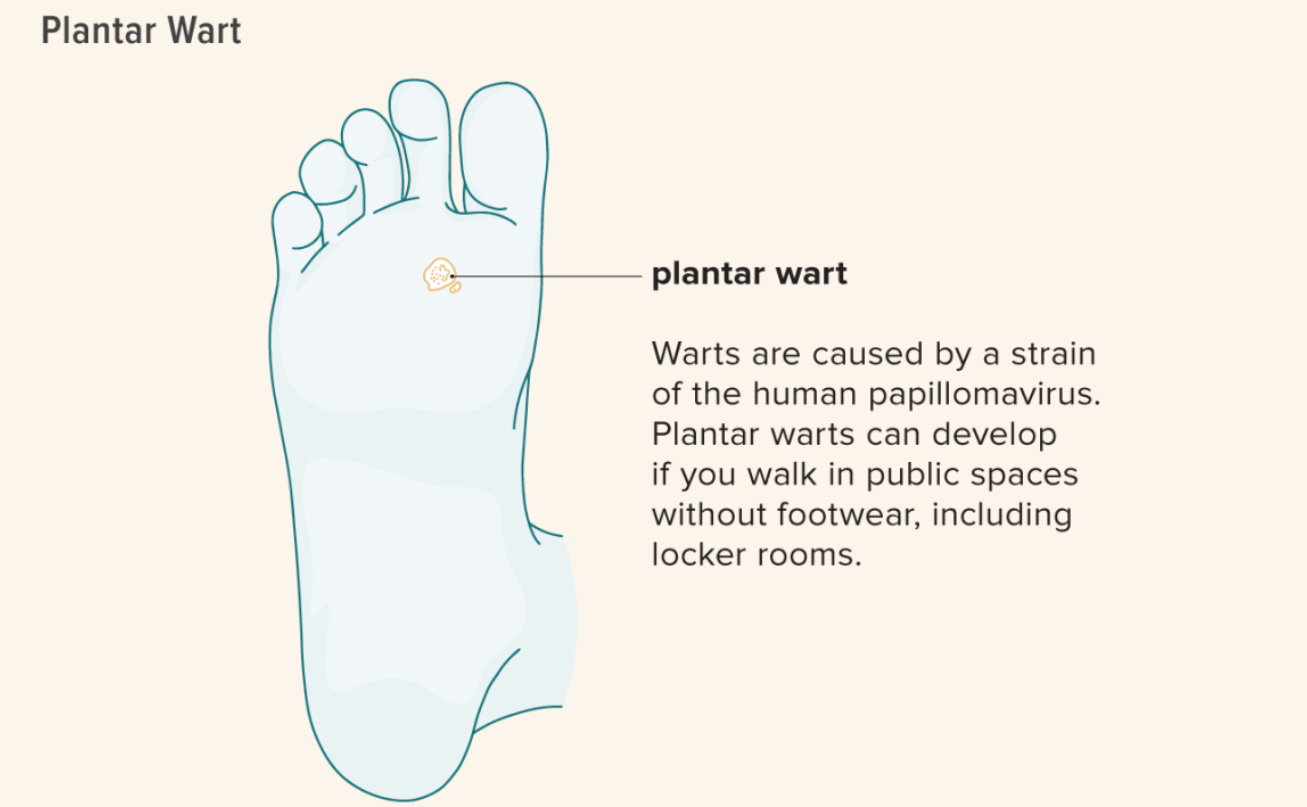
Understanding Plantar Warts
Plantar warts are caused by HPV entering the skin through tiny breaks. Unlike common warts on the hands, they grow inward due to pressure from walking.
Symptoms
- Hard, thickened skin
- Pain when walking
- Black dots (“wart seeds,” actually clotted blood vessels)
- A rough, grainy surface
Where they appear
- Heels
- Balls of the feet
- Under toes
- Weight-bearing areas of the sole
Plantar warts can occur individually or form clusters (mosaic warts).
Why Plantar Warts Occur
Plantar warts spread easily in:
- Communal showers
- Swimming pools
- Gyms
- Changing rooms
They also occur more often in those with:
- Damaged or softened skin
- Low immunity
- Frequent barefoot exposur
1. Salicylic Acid Treatment
One of the most effective home remedies for plantar warts.
How it works
Salicylic acid breaks down the thickened skin, gradually dissolving the wart layer by layer.
How to use
- Apply daily after a warm water soak
- Use medicated pads, gels, or liquid
- Gently file the area weekly to improve absorption
Best for
Most plantar warts, especially thick or deep ones.
2. Duct Tape Method
A popular natural plantar wart removal technique.
How it works
The duct tape occludes the wart, weakening it while stimulating the body’s immune response.
How to use
- Cover the wart with duct tape for 6 days
- Remove, soak, and file the area
- Repeat cycles for several weeks
Best for
Small to medium warts and for sensitive skin types.
3. Apple Cider Vinegar Soak
A widely used natural remedy.
How it works
Apple cider vinegar acts like a mild acid, helping break down wart tissue.
How to use
- Mix ACV with warm water in a 1:2 ratio
- Soak feet for 15–20 minutes
- Repeat 3–4 times weekly
Caution
May irritate sensitive skin — dilute well.
4. Warm Water + Pumice Routine
A gentle, safe method.
How it works
Softens the skin so other treatments penetrate more effectively.
Steps
- Soak feet in warm water for 10–15 minutes
- Use a clean pumice stone to remove dead skin
- Apply salicylic acid afterwards
Best for
Making other at-home treatments more effective.
5. Tea Tree Oil
A natural antiviral and antiseptic.
How it works
May reduce viral activity and soften wart tissue.
How to use
- Apply diluted tea tree oil daily
- Use for several weeks for gradual results
Best for
People prefer natural plantar wart removal options.
6. Freezing Treatment (OTC Cryotherapy)
Over-the-counter freezing sprays help destroy wart tissue.
How it works
Freezes the wart at –50°C to –80°C (weaker than clinic-grade tools).
How to use
- Follow instructions carefully
- Usually requires repeated sessions
Best for
New or shallow warts.
Comparison: Home vs Clinical Wart Removal
| Factor | At-Home Remedies | Clinical Treatments |
| Speed | Slow (weeks to months) | Fast (often 1–3 sessions) |
| Effectiveness | Mild to moderate | High |
| Pain | Minimal | Mild, short-term |
| Best For | Small/early warts | Persistent, painful, deep warts |
| Cost | Low | Medium |
Clinical options include:
- Cryotherapy (liquid nitrogen)
- Laser wart removal
- Prescription treatments
- Surgical removal (rarely needed)
When to See a Dermatologist
Seek medical care if you have:
- A wart that hasn’t improved after 8–12 weeks of home treatment
- Severe pain when walking
- Spreading or clustering warts
- Bleeding or colour change
- Diabetes or poor circulation
- Immune-suppressed conditions
Professional treatments offer faster, safer, and more reliable results.
Prevention Tips
- Wear flip-flops in public showers
- Keep feet dry
- Avoid sharing socks, towels, or shoes
- Disinfect shoes regularly
- Avoid picking or shaving near the wart
- Strengthen immune health
Conclusion
Plantar warts are common and treatable, especially with consistent home care. From salicylic acid to duct tape therapy, several safe and effective remedies can help you eliminate warts naturally. However, stubborn or painful warts often require professional treatment.
If you’re struggling to get rid of a plantar wart, book a consultation at Harley Street Healthcare, London Dermatology Clinic for expert diagnosis and fast, effective wart removal.
FAQs
1. What is the best plantar wart treatment at home?
Salicylic acid remains the most effective evidence-based option.
2. How long do home remedies take to work?
Anywhere from a few weeks to a few months.
3. Can plantar warts go away naturally?
Yes, but it can take 6–12 months or longer.
4. Does duct tape really work?
It helps stimulate the immune system, especially for small warts.
5. When should I stop home treatment?
If the wart worsens, becomes painful, or doesn’t improve after 12 weeks.
