
Rosacea is a chronic skin condition that causes persistent redness, visible blood vessels, bumps, and sensitivity—often affecting confidence and daily comfort. Many people struggle because rosacea triggers vary and not every treatment works for everyone. Dermatology-based rosacea treatment focuses on reducing flare-ups, calming inflammation, and managing long-term symptoms with personalised care.
If you’re unsure which treatment is right for your skin type, severity, or triggers, this guide gives you a clear, structured breakdown. It explains what rosacea treatment is, how it works, dermatology-approved options, benefits, risks, comparisons, and important questions people ask before choosing a treatment plan.
This guide covers what it is, how it works, benefits, risks, comparisons, and key questions people ask.
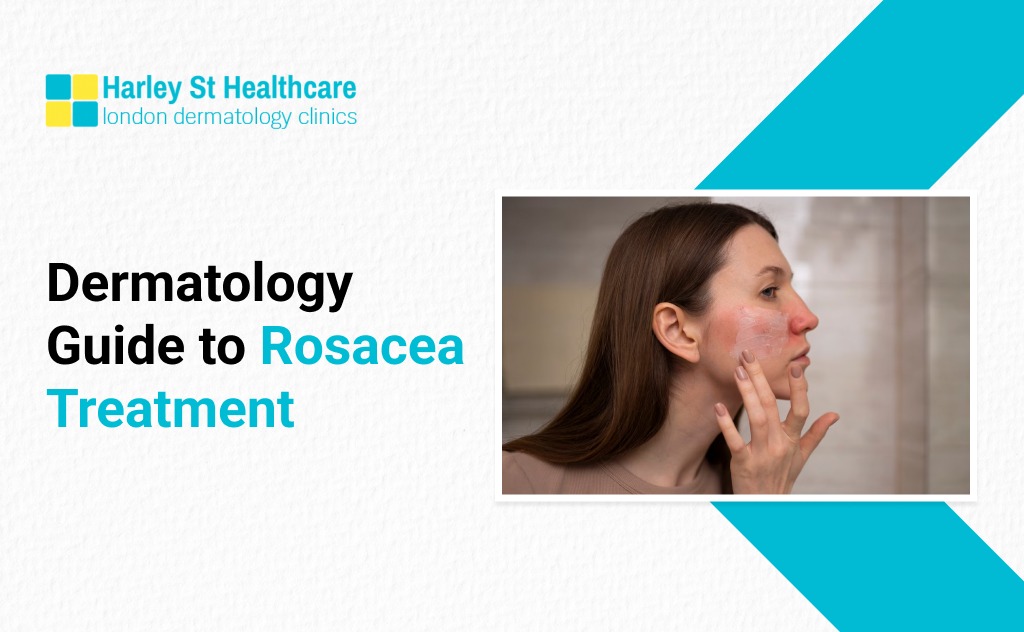
What Is Rosacea Treatment in Dermatology?
Definition:
Rosacea treatment in dermatology refers to medical strategies used to reduce redness, inflammation, bumps, and visible veins caused by rosacea.
Key Attributes:
- Focuses on long-term management
- Combines topical, oral, and procedural treatments
Simple Analogy:
Treating rosacea is like managing a sensitive fire alarm—you can’t switch it off, but you can reduce what triggers it and strengthen the system to stay calm.
Why It Matters / Importance
People search for rosacea treatment because persistent redness and flare-ups affect appearance, comfort, and confidence.
Dermatology-based treatment helps identify triggers, reduce inflammation, and prevent the condition from worsening over time.
Understanding treatment options empowers patients to choose the safest and most effective plan.
How Rosacea Treatment Works (Step-by-Step)
- Assessment: Dermatologist evaluates skin type, symptoms, and trigger history.
- Treatment Planning: Combination of topical, oral, and procedural options based on severity.
- Trigger Management: Lifestyle and skincare adjustments to prevent flare-ups.
- Monitoring: Follow-up sessions to adjust and optimise treatment.
Read more – what is the difference between eczema and psoriasis
Key Benefits
- Reduces redness and flushing
- Controls pimples and inflammation
- Minimises visible blood vessels
- Strengthens skin barrier
- Prevents flare-ups
- Builds long-term symptom control
- Improves overall confidence
| Factor | Topical Treatments | Laser/Light Therapy |
| Purpose | Reduce redness & bumps | Reduce blood vessels & flushing |
| Cost | Low–Moderate | Moderate–High |
| Downtime | None | Minimal |
| Best For | Mild–moderate rosacea | Visible veins, persistent redness |
| Drawback | Slow results | More expensive |
How to Choose the Right Treatment
- Severity of redness and bumps
- Presence of visible veins
- Skin sensitivity level
- Budget and timeline
- Past treatment response
- Trigger patterns
- Dermatologist’s recommendation
Step-by-Step Implementation Plan
- Book a dermatologist evaluation
- Start recommended topical/oral therapy
- Adjust skincare routine
- Add laser/light therapy if needed
- Follow up every 6–8 weeks
Conclusion
Rosacea treatment in dermatology helps manage redness, bumps, and visible veins through a personalized plan that combines medical care, skincare adjustments, and trigger control. With the right approach, most people see calmer, more balanced skin and fewer flare-ups over time. If symptoms persist or worsen, consulting a dermatologist ensures you choose the safest and most effective treatment for your skin’s needs. For long-term relief, stay consistent with your routine and follow expert guidance.
FAQs
Is rosacea curable?
Rosacea cannot be cured, but dermatology treatments significantly reduce symptoms and prevent flare-ups.
How long does rosacea treatment take to work?
Most patients see improvements within 4–8 weeks depending on severity and treatment type.
Is laser treatment safe for rosacea?
Yes, when done by a dermatologist. It helps reduce visible veins and persistent redness with minimal downtime.
Which skincare is best for rosacea?
Gentle, non-irritating products—avoid alcohol, fragrance, scrubs, and strong actives unless approved by a dermatologist.
Can diet affect rosacea?
Yes. Triggers may include spicy food, caffeine, heat, and alcohol. Identifying triggers helps control flare-ups.

